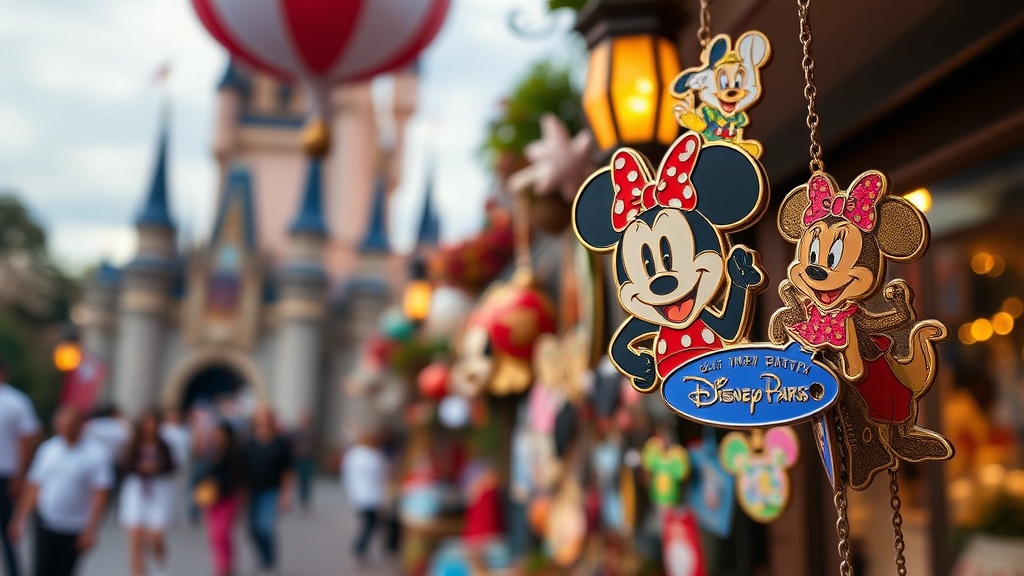
Finding Rare Disney Parks Trading Pins in the Parks

This guide explains exactly how to locate, identify, and secure high-value Disney Trading Pins while visiting the Disney Parks. You'll learn the specific locations to check, the differences between standard and limited editions, and how to spot a rare find before it leaves the shop.
Where are the best places to find rare Disney pins in the parks?
The best places to find rare Disney pins are specialized pin trading locations like the Disney Pin Trading stations at Disney California Adventure and the Emporium at Magic Kingdom. While many shops carry standard stock, the high-end, limited-edition items often hide in specific retail hubs or seasonal pop-up locations. You shouldn't just wander aimlessly; you need a strategy.
Most collectors start at the Emporium in Magic Kingdom because it has one of the largest inventories in the world. However, if you're looking for the truly elusive stuff, you need to look beyond the main souvenir shops. Look for "Limited Edition" (LE) signage. These are the pins that drive the secondary market value.
- Disney California Adventure: Focus on the shops near Hollywood Land for unique seasonal releases.
- Disneyland Resort: The shops near Fantasyland often carry specialized character pins.
- EPCOT: Look for highly themed pins related to specific international pavilions.
- Pin Trading Stations: These are your primary spots for interacting with Cast Members and potentially trading your existing stock.
Don't forget that the Disney Parks often host seasonal events. If you're visiting during a holiday, the "rare" pins will likely be themed around that specific event—think spooky pins for Halloween or sparkly ones for Christmas. It's a different beast entirely.
How can you tell if a Disney pin is a limited edition?
You can identify a limited edition pin by looking for a specific-sized metal plate on the back of the pin that displays a unique serial number and the total edition size. This is the "gold standard" for collectors. If the back of the pin is smooth or only has a standard Disney copyright stamp, it’s likely a regular retail pin.
There are a few tiers of rarity you should know. It's not just about the number on the back; it's about how the pin is sold. Here is a breakdown of the common types you'll encounter:
| Pin Type | Rarity Level | Typical Features |
|---|---|---|
| Standard Retail | Low | Mass-produced, no serial number, sold in regular shops. |
| Limited Edition (LE) | High | Numbered (e.g., 125/500), higher metal weight, often more detailed. |
| Limited Release (LR) | Medium | Sold for a limited time but not a strictly numbered set. |
| Event/Convention Pins | Very High | Only available at specific events or via official trading programs. |
I've seen people mistake a high-quality "Limited Release" pin for a true "Limited Edition." The difference is the number. A Limited Edition pin has a hard cap on production. Once that 500th or 1,000th pin is made, they aren't making any more. That's what creates the scarcity. (Note: Always check the back of the pin immediately—don't wait until you're back at the hotel!)
If you're serious about building a collection, you'll also want to consider how you store these. A high-value pin deserves better than a plastic baggie. If you want to see how to manage your growing inventory, check out my guide on building a Disney collectible display.
What is the difference between a trading pin and a retail pin?
A trading pin is often part of a specific set designed for the Pin Trading program, whereas a retail pin is a standard piece of merchandise meant for general sale. While many retail pins can be traded, the "trading" designation usually implies it was part of a specialized set or event.
The distinction can get blurry. You'll see pins in the gift shops that are meant to be bought and kept, and then you'll see pins at the trading stations that are meant to be swapped. If you're at a trading station, you're engaging in a social contract. You're trading one item for another.
The catch? Not every pin in a gift shop is "tradeable" by the Cast Members at the stations. Some high-end retail pins are strictly for purchase. If you want to be a successful trader, you should carry a "trading board" or a small selection of mid-tier pins to offer. It's a way to interact with the community and the Cast Members. It's more than just a hobby; it's a social experience.
One thing to watch out for: the quality. Some cheaper pins can have "flaws"—small paint chips or uneven edges. While these are common in lower-tier pins, a true collector looks for pristine edges and heavy metal. This is especially true if you're looking to trade for something more valuable later.
When you get home, you'll want to make sure your pins stay in top shape. If you're dealing with older, more vintage-style pins, you might run into issues with the finish. I've written about preventing yellowing, and while it's a different medium, the principle of preservation is the same for all Disney collectibles.
How do I know if a pin is a fake or a reproduction?
You can spot a fake pin by checking the weight, the detail of the enamel, and the presence of an official Disney copyright mark on the reverse side. Authentic Disney pins have a certain "heft" to them. If a pin feels light, plastic-y, or hollow, it's likely a cheap imitation or a non-Disney product.
The secondary market is flooded with "repro" pins. These are often sold on sites like eBay or at flea markets. While they might look okay at a glance, the details are usually wrong. Look for these red flags:
- Missing Copyright: Real Disney pins almost always have a copyright mark on the back.
- Soft Edges: Authentic pins have crisp, sharp edges on the metal outlines. Fakes often look "blurry" or soft.
- Incorrect Colors: If the colors don't match the official Disney character-specific palettes, be suspicious.
- Weight: If it's too light, it's probably not the high-quality metal used by Disney.
If you're buying pins from a third party and not directly from a Disney shop, you have to be much more careful. I always recommend checking the Wikipedia page for Disney Pin Trading or official Disney forums to see what the current official sets look like. This helps you build a mental library of what "real" looks like.
It's easy to get caught up in the excitement of a "deal" and buy a fake. Just remember: if the price seems too good to be true, it probably is. A rare, limited edition pin will rarely be sold for a handful of dollars by a random person on the street. They have value for a reason.
Whether you're hunting for a specific character or just looking to add some color to your collection, the key is patience. The best pins aren't always in the first shop you walk into. They are usually tucked away in a corner, a specialized booth, or waiting for a lucky trade at a station.