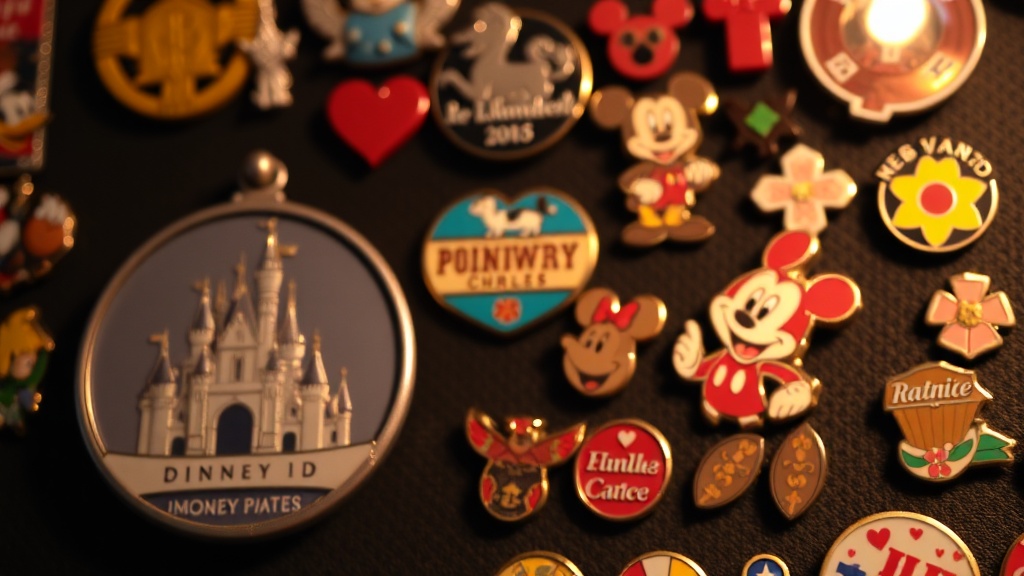
The Complete Beginner's Guide to Collecting Vintage Disney Pins

What Exactly Are Vintage Disney Pins Worth Collecting?
Vintage Disney pins span decades of park history, limited releases, and character artwork that capture moments in time. The most sought-after pieces include early Cast Lanyard pins from the 1999 Millennium celebration, Hidden Mickey pins from the early 2000s, and limited edition event releases from Disneyana conventions. These small metal canvases feature everything from classic character poses to park attraction artwork — each one telling a story about Disney's evolving design language.
The market has grown substantially since Disney officially launched pin trading at Walt Disney World in 1999. What started as a park-exclusive activity has exploded into a global collecting community. Pins from defunct attractions (R.I.P. Horizons) command premium prices. Anniversary editions — particularly the 50th Anniversary of Disneyland series — remain perennial favorites. Some collectors focus exclusively on specific characters, while others chase complete sets from particular years or events.
Condition matters enormously in this hobby. A pin with intact enamel, unworn plating, and its original backer card can be worth triple the price of a well-loved example. Storage is everything — direct sunlight fades colors, and rubber backs degrade over time (pro tip: replace them with locking pin backs from Michaels or Joann).
How Can You Tell If a Disney Pin Is Authentic?
Authentic Disney pins bear specific markings that counterfeiters rarely replicate perfectly. Look for the Mickey Mouse waffle pattern on the back — a grid of raised squares surrounding the pin post. Official pins also carry Disney copyright stamps, often reading "© Disney" or "© Disney/Pixar" alongside a production year.
The weight and finish tell the real story. Genuine Disney pins feel substantial in hand. The enamel work sits flush with the metal edges, not bubbling up or sinking down. Colors match Disney's official style guides — Mickey's shorts are a specific Pantone red, not an approximation. Here's the thing: scrapper pins (factory seconds that escaped quality control) flood the secondary market. These aren't counterfeits exactly, but they're flawed pieces that collectors generally avoid.
Check the edges carefully. Authentic pins have clean, smooth borders. Fakes often show rough casting marks or uneven plating. The post itself matters too — it should be centered, sturdy, and stamped with the waffle pattern extending around it.
| Authentication Feature | Authentic Pin | Fake/Scrapper |
|---|---|---|
| Mickey Waffle Pattern | Sharp, consistent grid | Blurry or missing |
| Enamel Quality | Flush, vibrant colors | Bubbling, dull shades |
| Edge Finish | Smooth, clean lines | Rough, uneven casting |
| Weight | Substantial metal feel | Light, tinny |
| Copyright Stamp | Clear, properly spaced | Missing or blurry |
The catch? Some scrapper pins look nearly identical to authentic ones. When buying online, request photos of the back. Sellers who refuse — or provide blurry images — warrant suspicion. eBay's authentication guarantee covers pins over $500, but most trades happen well below that threshold. Disney Parks merchandise purchased directly eliminates guesswork entirely.
Where's the Best Place to Buy Vintage Disney Pins?
eBay remains the largest marketplace, with thousands of listings updated daily. Facebook groups like "Disney Pin Trading" and "Pin Nation" offer community vetting — members call out suspicious sellers and celebrate reputable ones. Dedicated pin shows happen quarterly in Anaheim, Orlando, and Chicago, where collectors trade in person and examine pieces under magnification.
Disney's Character Warehouse outlets occasionally stock older pin inventory at reduced prices — worth checking if you're near Orlando's International Drive or Anaheim's GardenWalk. Estate sales in retirement communities near Florida's Disney corridor (Celebration, The Villages) sometimes yield untouched collections from former Cast Members.
That said, the community aspect matters here. Established collectors often sell through Instagram (@disneypincollector accounts abound) or dedicated Discord servers. These channels build reputation over time. A seller with two thousand followers and years of post history carries more weight than a zero-feedback eBay account. Payment protection varies — PayPal Goods and Services offers buyer protection, while Venmo's friends-and-family option leaves you exposed.
Building Your Starter Collection
You don't need deep pockets to begin. Start with character sets that speak to you personally — perhaps The Nightmare Before Christmas if Halloween resonates, or classic Steamboat Willie for animation history buffs. Complete sets (typically 4-8 pins) display better than random singles, though eclectic collections have their own charm.
Set a monthly budget and stick to it. The hunt can become compulsive — there's always another grail pin just one click away. Document acquisitions in a spreadsheet: purchase date, price, seller, condition notes. This proves invaluable for insurance purposes and resale tracking. Worth noting: Disney pins rarely appreciate like fine art, but limited editions from closed attractions or deceased Imagineers carry historical weight that holds value.
Display options range from simple cork boards to custom shadow boxes with UV-protective glass. The Container Store's Pin Display Case accommodates roughly 100 pins and hangs cleanly on walls. Serious collectors invest in trading books for convention travel — zippered binders with felt pages that prevent scratching during transport.
Trading Etiquette and Community Norms
Disneyland and Walt Disney World still host official trading locations — boards at Emporium locations, tables during special events. Cast Members wear lanyards and must trade any pin you offer (with reasonable exceptions for duplicates or damaged pieces). The "two fingers" rule applies — point to the pin you want, never touch another trader's lanyard.
Online trading requires clear communication. Agree on shipping timelines upfront. Photograph pins before sending — disputes happen. The community polices itself fairly aggressively; bad traders get named publicly in Facebook groups and lose access to private sales. Reputation is currency here.
Pin values fluctuate based on character popularity (Baby Yoda pins exploded in 2020), park anniversaries, and retirement announcements. Disney occasionally re-releases popular designs, which can crater secondary market prices for original editions. That's the risk — today's $50 grail might be tomorrow's $10 outlet find. Collect for love of the art, not investment returns.