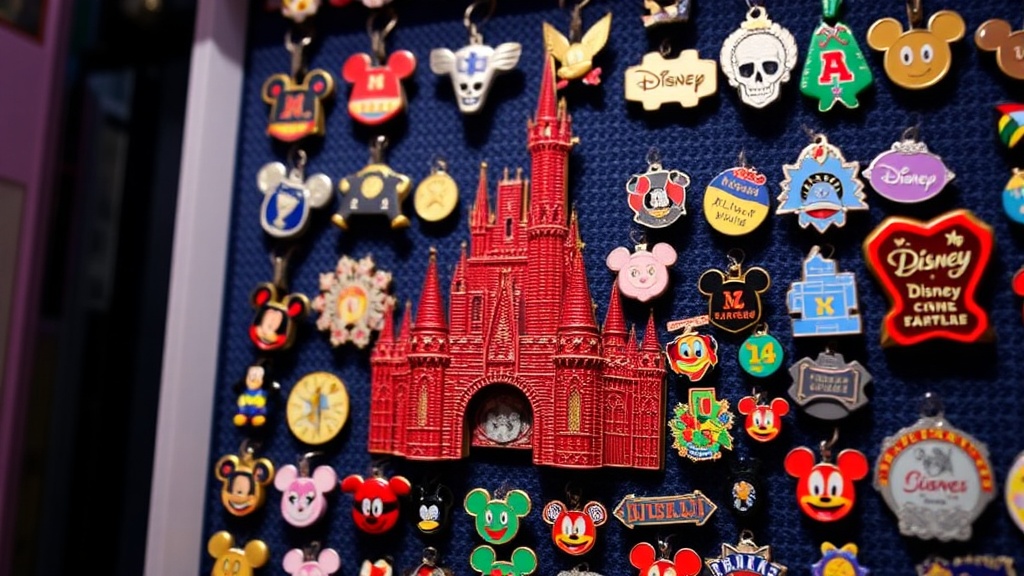
Smart Ways to Organize Your Disney Pin Collection

Using Cork Boards for Easy Rotation
Displaying Pins in Shadow Boxes for Depth
Sorting by Theme and Series in Binders
You just bought a limited edition 3-inch pin from a Disney Parks trading event, but when you go to hang it up, you realize your display board is already overflowing. Your pins are clumping together, the backs are scratching the enamel, and you can't even find that one specific Mickey Mouse pin you bought last year. Organizing a Disney pin collection is about more than just making things look pretty; it is about preservation, visibility, and making sure your investment doesn't get damaged by poor storage. This post breaks down the best methods for categorizing, displaying, and protecting your pins based on the size and rarity of your collection.
How Should You Categorize Your Disney Pins?
The most effective way to categorize your collection is by a combination of theme, release year, or pin size. Most collectors find that grouping by character or "theme" (like Villains, Star Wars, or Classic Mickey) makes the most sense for visual appeal. If you try to organize strictly by size, you might end up with a messy mix of characters that don't look good together.
Here are the three most common ways to group your pins:
- By Character/IP: This is the gold standard. You have your Disney Princess section, your Marvel section, and your Pixar section. It makes it easy to find things when you want to show off a specific interest.
- By Series: If you collect specific sets—like the Disney Parks Seasonal series or certain Pin Trading Club exclusives—keep them together. These often have a cohesive art style that looks great in a group.
- By Color or Aesthetic: This is more for the "aesthetic" collector. If you want your display to look like a work of art, grouping pins by color (the "rainbow" method) is a huge trend on social media right now.
I usually stick to a mix of character and series. It keeps the display looking intentional rather than random. If you have a massive collection, you might need a dedicated shelf for "The Vault" items versus your everyday trading pins.
What are the Best Display Options for Pin Collections?
The best display option depends entirely on how much space you have and how much you want to interact with the pins.
If you have a small collection (under 50 pins), a simple shadow box or a small framed display works perfectly. However, if you're a heavy trader, you need something more modular. You don't want to be stuck with a single piece of wood that you can't change. You'll eventually want to swap out a board for a larger one as your collection grows.
Consider these display types:
| Display Type | Best For | Pros | Cons |
|---|---|---|---|
| Cork Boards | Medium Collections | Inexpensive and easy to update. | Can look a bit "crafty" or cheap. |
| Shadow Boxes | High-Value/Rare Pins | Looks professional and high-end. | Hard to add or remove pins frequently. |
| Magnetic Strips | Small/Curated Sets | Very modern and sleek. | Requires specific magnetic backing. |
| Pegboards | Large/Massive Collections | Infinite customization and space. | Takes up a lot of wall real estate. |
One thing to watch out for is the material of the board. If you use a cheap cork board, the pins might tilt forward. I've seen people use velvet-covered boards to give a more premium feel—it's a small touch, but it makes a huge difference in how the light hits the enamel. If you're worried about the pins getting dusty, you might even want to look into a glass-fronted case. Just remember to keep your Disney Parks pins shiny and bright by avoiding heavy dust buildup inside the case.
The Importance of Pin Backs
Don't use the cheap rubber clutches that come with most pins. They slip off easily and can cause your pins to fall and hit the floor (which is a nightmare for enamel). Instead, look for "locking pin backs" or "bullet clutches." These are metal-based and much more secure. If you're displaying pins on a vertical board, a standard rubber back is a recipe for a broken heart. It's a small investment that saves your collection from accidental drops.
How Much Space Do I Need for a Growing Collection?
You should always plan for at least 25% more space than your current collection requires. If you buy a 50-pin capacity display board but you already have 45 pins, you're going to feel the pressure to stop buying—and we all know that's not how this works. It's better to buy a large pegboard or a multi-tiered shelving system early on.
A common mistake is buying a single, large, expensive display piece right away. I've seen people buy a massive custom-built wooden display, only to realize they don't have the wall space for it. Instead, try a modular approach. Start with a small, high-quality shadow box for your most prized possessions, and use a separate, more utilitarian board for your common trading pins. This keeps your "grails" safe while allowing you to keep the bulk of your collection organized.
Think about the depth of your pins too. A standard pin is fine, but some of the newer, larger Disney pins have much thicker backs or even 3D elements. If your display is too shallow, these pins will stick out awkwardly and might even damage the pins next to them. Always check the depth of your display case against your thickest pin before you commit to a purchase.
Managing the "Clutter" of Trading Pins
If you trade often, you'll end up with a lot of "junk" pins—the ones that aren't necessarily high value but are fun to have. I recommend keeping a "sorting bin" for these. Instead of letting them clutter up your main display, keep them in a clear, stackable acrylic box. This keeps them organized without taking up precious display space. If a pin becomes a favorite, move it to the display. If it's just a placeholder, keep it in the bin.
It’s also worth noting that some collectors use specialized pin books for travel. If you're going to a Disney park or a trading event, don't just throw them in a backpack. A dedicated pin book or a small, padded pouch is much safer. This prevents the metal posts from scratching the enamel of other pins in your bag. It's a simple way to ensure your collection stays in top shape while you're on the move.
How Do I Protect My Pins from Damage While Displaying?
The biggest enemies of your pin collection are sunlight, moisture, and physical friction. If you have a display near a window, the UV rays will eventually fade the colors of your enamel. This is especially true for older pins or certain types of paint. If you're displaying your pins in a room with lots of natural light, consider using UV-protective glass or moving the display to a different wall.
Also, be mindful of how close your pins are to each other. If you crowd them too tightly, the metal posts of one pin can scratch the finish of the neighbor. This is a common issue with cork boards. If you're using a board, make sure there's enough "breathing room" between each pin to prevent that friction. It's a bit of a balancing act—you want a full-looking display, but you don't want a scratched-up mess.
If you notice your pins are starting to look dull or have tiny spots of oxidation, you might need to clean them. A gentle touch is better than anything aggressive. For more detailed advice on maintenance, you might want to check out a guide on how to keep your Disney pins sparkling. A little bit of care goes a long way in maintaining the resale value and the visual appeal of your collection.
When it comes to storage, avoid damp areas. Basements or even certain parts of a closet can lead to moisture buildup, which can cause the metal parts of the pins to tarnish or even rust. If you're storing your collection in a container, make sure it's airtight. This is especially important if you live in a high-humidity area. Keeping your pins in a climate-controlled environment is one of the best things you can do for their longevity.
Lastly, don't be afraid to rotate your collection. You don't have to display everything at once. In fact, I find it much more rewarding to rotate my "featured" pins every few months. It keeps the display feeling fresh and gives you a reason to go back through your storage bins to find something "new" to show off. It's a great way to keep the hobby feeling exciting without needing to constantly buy more stuff.