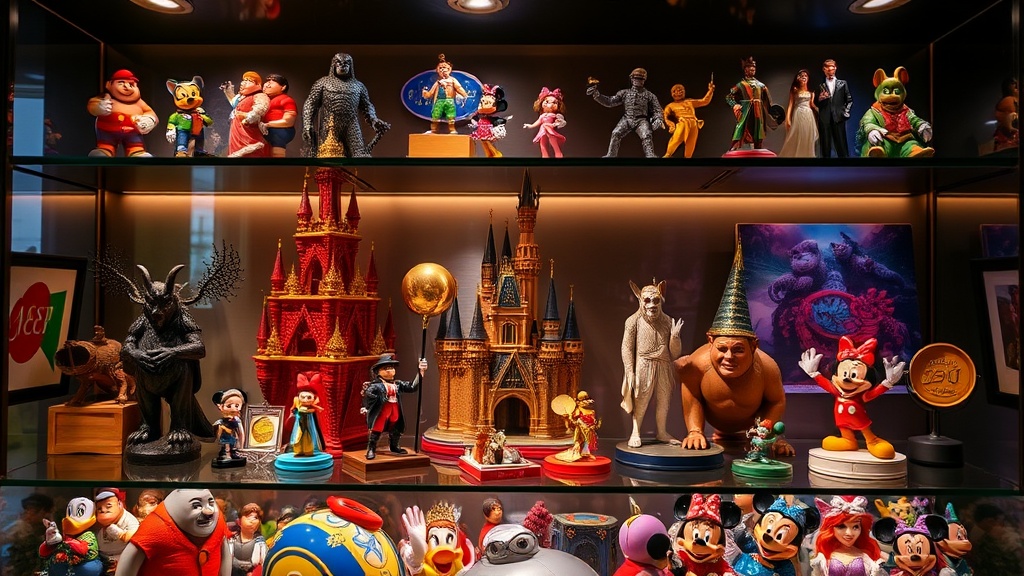
How to Display Your Disney Collectibles Like a Pro

This guide covers the best ways to display Disney collectibles—from figurines and pins to limited-edition art and vintage toys. Whether the collection fills a single shelf or an entire room, proper display techniques protect the investment while showcasing each piece at its best. You'll learn about lighting options, storage solutions, dust protection, and creative arrangements that turn collections into conversation starters.
What's the Best Way to Light Disney Collectibles Without Damaging Them?
Direct sunlight fades paint and discolors packaging faster than you'd think—sometimes within months. The best approach combines LED strip lighting with strategic positioning away from windows.
LED strips emit minimal UV radiation and produce almost no heat. Brands like Philips Hue and Govee offer dimmable options with warm color temperatures (2700K-3000K) that make figurines glow without washing out details. Avoid halogen or incandescent bulbs entirely—they generate heat that warps plastic and damages delicate paint applications.
Here's the thing about natural light: even indirect exposure adds up. North-facing windows present less risk than south-facing ones, but UV-filtering film on windows provides cheap insurance. Museums use it. Collectors should too.
For glass cabinets, install LED strips along the top interior frame, angling them downward at 45 degrees. This eliminates harsh shadows under chins and hats—a common problem with Snow White and Fantasia figurines. Battery-operated puck lights work for open shelving, though they require more frequent battery swaps than most collectors anticipate.
Motion-activated options exist. They extend battery life but can startle guests—and occasionally trigger at 3 AM when the cat walks past. Worth noting if light sleepers share the space.
How Do You Protect Collectibles From Dust and Humidity?
Enclosed display cases with glass or acrylic doors reduce dust accumulation by roughly 90% compared to open shelving. For collectors in humid climates, silica gel packets and small dehumidifiers prevent the mold and warping that destroy paper-based items like vintage movie posters and lithographs.
Acrylic cases—brands like IKEA's DETOLF or custom builds from Better Display Cases—offer affordable protection. Glass provides better clarity but weighs more and shatters if bumped. The catch? Acrylic scratches easily. Microfiber cloths only—paper towels leave permanent swirl marks.
Humidity control deserves serious attention. Paper items (lithographs, cels, vintage park maps) suffer above 60% relative humidity. Figurines handle moisture better, though metal pins eventually corrode and plush develops musty odors that never quite wash out. Aim for 45-55% humidity—achievable with small electric dehumidifiers in enclosed spaces.
Dust still infiltrates sealed cases. Compressed air works for hard-to-reach spots, though hold cans upright to avoid spraying propellant onto delicate surfaces. Makeup brushes (unused, obviously) work beautifully for dusting between figurine arms and around base details.
That said, some collectors prefer open displays. The accessibility encourages rotation—pulling pieces out, appreciating them, returning them. The trade-off? Weekly dusting becomes mandatory. Neglect transforms displays into grimy petri farms faster than most expect.
What Are the Best Display Options for Different Types of Disney Collectibles?
Different collectibles demand different approaches. Pins require vertical surfaces. Figurines need stable, level platforms. Plush benefits from breathable storage. Art demands archival framing. One size fits nobody.
Pins and Small Items
Cork boards work. So do fabric-covered foam cores. Serious collectors gravitate toward Michaels' shadow box frames or custom pin boards from Etsy sellers. Magnetic boards offer easy rearrangement—use neodymium magnets rated for the pin's weight (most Disney pins weigh under 10 grams).
Arrange pins by theme, movie, or release date. Chronological layouts tell stories. The Lion King pins from 1994 sit beside 2019 remakes—visual timelines that spark conversations. Grid arrangements feel organized but sterile. Organic clusters around characters or color schemes look more curated.
Figurines and Statues
Acrylic risers create depth and prevent the "crowded shelf" look. The Jim Shore Disney Traditions line—those distinctive folk-art figurines—stands 5-7 inches tall. Standard risers (3-inch, 6-inch tiers) accommodate most pieces without overwhelming them.
Rotate the collection seasonally. Holiday-themed figurines (the Halloween Mickey series, Christmas village pieces) earn spotlight positions during appropriate months. Off-season storage in acid-free tissue prevents fading and keeps pieces pristine.
Art and Lithographs
UV-protective glass matters more than frame aesthetics. Tru Vue Museum Glass blocks 99% of UV rays while eliminating glare—worth the premium for original cels or limited editions. Standard frames from Target or Walmart work for reproductions, but never for investment-grade pieces.
Plush and Soft Items
Vinyl "beanie boxes" (the same ones serious Beanie Baby collectors use) stack efficiently and protect against dust, pet hair, and curious toddlers. Open wire baskets work for frequently handled plush—breathable and accessible.
| Collectible Type | Best Display Method | Budget Option | Premium Option |
|---|---|---|---|
| Disney Pins | Cork/magnetic boards | $10 foam core + fabric | $80 custom pin banner |
| Small Figurines | Acrylic risers in cases | $15 IKEA RIBBA frame as shadow box | $200+ custom acrylic case |
| Art/Lithographs | UV-protective framing | $25 standard frame + UV film | $150+ conservation framing |
| Plush Toys | Vinyl beanie boxes | $5 clear shoe boxes | $40 UV-protective acrylic cases |
| Vinyl Figures (Funko, etc.) | Stackable protectors | $1 soft protectors | $8 hard stack protectors |
How Can You Create Themed Displays That Tell a Story?
Chronological arrangements work. So do color-coordinated groupings. But the most compelling displays tell stories—Alice in Wonderland tea party scenes built from figurines, background art, and actual vintage teacups. Pirates of the Caribbean collections incorporating maps, compasses, and weathered wood bases.
Start with a focal piece. The largest item anchors the display—perhaps a 16-inch animator's doll or a framed original production cel. Build outward with supporting pieces that share visual or thematic connections. Don't crowd. Negative space lets individual pieces breathe.
Props elevate displays from collections to dioramas. Craft stores sell artificial moss, miniature trees, and scale-appropriate furniture. The 1:12 scale (dollhouse standard) works for most Disney figurines. Michaels and Hobby Lobby carry entire aisles of diorama materials.
Here's the thing about storytelling displays: they date faster. That Mandalorian scene looks fantastic now. In five years? Maybe less relevant. Build modularity into the design—Velcro strips, removable backdrops, interchangeable bases. Flexibility prevents complete teardowns when tastes evolve.
Worth noting: some collectors rotate entire room themes quarterly. Spring features Bambi and flower-themed pieces. Summer showcases beach and tropical collections (Moana, Lilo & Stitch). Fall brings Halloween and autumn tones. Winter explodes with holiday Mickey and ice palace Frozen displays. The work is substantial. The impact is undeniable.
What Mistakes Do New Collectors Make With Displays?
Overcrowding kills more displays than dust or light damage combined. Collectors acquire faster than they curate, cramming shelves until individual pieces disappear into visual noise. The solution? Rotate. Store. Edit ruthlessly. Not every acquisition deserves permanent display.
Ignoring weight limits destroys shelving and figurines alike. That IKEA BILLY bookcase handles 66 pounds per shelf—adequate for most collections, but not for heavy resin statues. Wall-mounted shelves require studs; drywall anchors fail under sustained load, usually at 2 AM.
Improper cleaning damages finishes. Feather dusters scratch. Paper towels abrade. Harsh chemicals dissolve paint. Distilled water and microfiber cloths handle most dust. For stubborn grime, a tiny amount of mild dish soap—rinsed completely, dried immediately.
The catch with display lighting? Too much heat in enclosed spaces warps plastics and dries out adhesives. Test temperatures inside closed cases after lights run for an hour. If it feels warm, add ventilation gaps or switch to lower-heat LEDs.
Collectors often forget about accessibility. That stunning top-shelf arrangement looks great until dusting day arrives. Step stools invite accidents. Heavy items belong at waist height. Delicate pieces need buffer zones—no risk of bumping when reaching for adjacent items.
Documentation matters. Photograph displays before rearranging. Note which pieces occupy which positions. Insurance claims require proof of ownership and condition. High-resolution photos stored in cloud services provide evidence if disasters strike.
Ultimately, displays should bring joy—not stress. The best arrangements balance protection with visibility, organization with personality, and investment preservation with daily appreciation. Start simple. Add complexity gradually. And remember: the collection exists to be enjoyed, not merely maintained.
Steps
- 1
Choose the Right Display Location and Lighting
- 2
Select Appropriate Shelving and Display Cases
- 3
Arrange Your Collection with Style and Balance