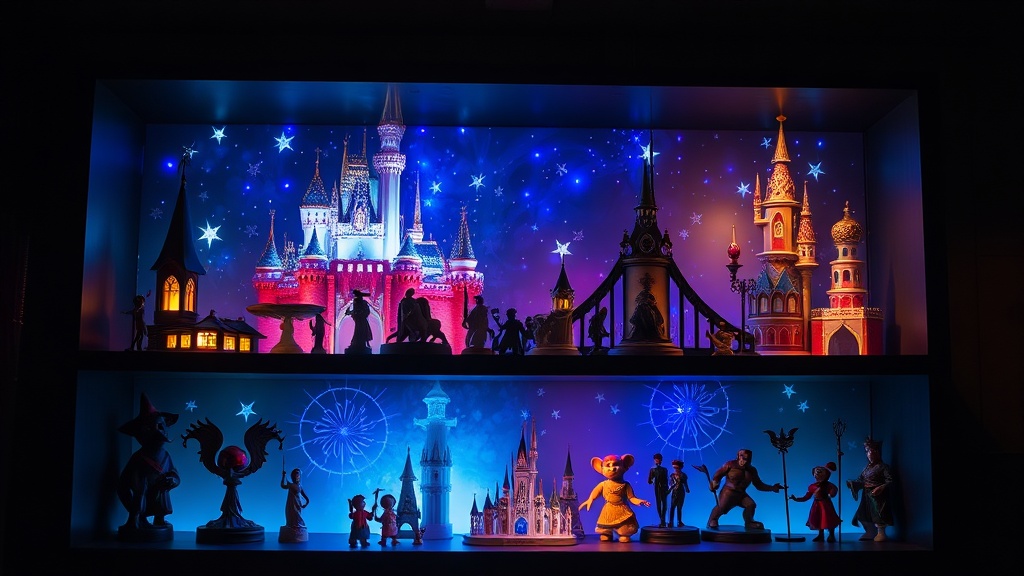
How to Create a Magical Disney Collectibles Display Shelf

This post covers everything needed to build a stunning Disney collectibles display shelf—from choosing the right shelving and lighting to arranging figurines, pins, and plush for maximum visual impact. Whether the collection spans decades or just started last month, a well-designed display transforms scattered items into a cohesive showcase that sparks joy every time someone walks into the room.
What Type of Shelving Works Best for Disney Collectibles?
Floating shelves and Billy bookcases from IKEA dominate the Disney collecting community for good reason. These options offer clean lines, adjustable heights, and price points that won't drain the budget meant for actual collectibles. The Billy bookcase runs about $79 and handles heavier items like Disney Store limited edition dolls and Jim Shore figurines without sagging.
Floating shelves—particularly the Mosslanda picture ledge series—excel for smaller collections or rotating displays. They're perfect for Funko Pops, pin boards, or those delicate Lenox Disney pieces that deserve individual attention. The catch? Weight limits hover around 11 pounds per shelf, so heavier resin statues need sturdier support.
For serious collectors with hundreds of pieces, consider modular cube storage like the ClosetMaid Cubeicals. These 11-inch cubes accommodate most figurine boxes (which many collectors keep) and create a grid-like museum aesthetic. Some collectors in the Disney Collectors Reddit community swear by detolf glass cabinets from IKEA for dust protection—though glass shelves limit magnetic lighting options.
| Shelving Type | Best For | Price Range | Dust Protection |
|---|---|---|---|
| IKEA Billy Bookcase | Large collections, heavy items | $79-$99 | None (open) |
| IKEA Detolf Cabinet | Medium collections, dust-sensitive items | $129 | Enclosed glass |
| Mosslanda Picture Ledges | Small displays, rotating collections | $15-$25 each | None (open) |
| ClosetMaid Cubeicals | Boxed collectibles, organized storage | $60-$85 | Partial (bin-dependent) |
| Wall-Mounted Shadow Boxes | Pins, small figurines, themed displays | $30-$80 each | Enclosed |
How Should You Arrange Disney Collectibles for Maximum Visual Appeal?
Group items by theme, movie, or color palette—not by size or value. A shelf displaying only The Little Mermaid pieces tells a story. A shelf mixing Ariel with Buzz Lightyear and Mickey Mouse creates visual chaos (unless that's the intentional aesthetic).
Here's the thing about Disney collectibles: they're already visually loud. Bright primary colors. Glitter. Metallic paint. When everything competes for attention, nothing stands out. Create breathing room between groupings. A single Jim Shore "Ariel on Rock" figurine surrounded by negative space commands more attention than crammed shoulder-to-shoulder with seven other princesses.
Height variation matters tremendously. Use acrylic risers—available on Amazon in clear 2-inch and 4-inch increments—to create tiers within each display zone. Place taller items toward the back, smaller pieces forward. But break this rule occasionally. A tiny Tinker Bell figurine positioned on a raised pedestal in front of larger pieces creates delightful visual surprise.
Worth noting: lighting changes everything. Warm LED strip lights (2700K-3000K color temperature) mounted under each shelf eliminate shadows and make metallic paints shimmer. The Philips Hue Lightstrip offers app-controlled color options—imagine bathing the Frozen section in icy blue, or surrounding The Lion King pieces in savanna gold. Battery-powered puck lights work for renters who can't hardwire anything.
Creating Themed Zones
Most successful Disney displays organize into distinct sections. Consider these approaches:
- By Era: Group Golden Age classics (Snow White through Bambi) together, separate from Disney Renaissance pieces (Little Mermaid through Tarzan), and modern Pixar selections.
- By Character: Dedicate entire shelves to Mickey evolution, princess progression, or villain showcase.
- By Collector Type: Pins on cork boards in frames. Plush on upper shelves. Figurines at eye level where detail matters most.
That said, strict organization isn't for everyone. Some collectors prefer "story shelves" that mix characters who interact—Woody and Buzz together, Timon and Pumbaa flanking Simba. This approach feels more playful, less museum-like.
How Do You Protect Disney Collectibles from Dust and Sun Damage?
UV-filtering glass or acrylic doors combined with regular dusting routines preserve collectibles for decades. Sunlight destroys. Even indirect natural light fades packaging and discolors white resin over time. Position displays away from windows, or install UV-filtering film on nearby glass.
Dust isn't just unsightly—it chemically bonds with figure oils and plastics over years. Enclosed cabinets reduce dusting from weekly to monthly. For open shelving, feather dusters just redistribute particles. Instead, use microfiber cloths slightly dampened with distilled water, or compressed air for intricate figurine crevices.
The display environment matters more than most collectors realize. Basements invite humidity and mold. Attics trap heat that warps vinyl and plastics. Ideal conditions: 60-75°F with 30-50% relative humidity. Cheap digital hygrometers ($10 on Amazon) monitor conditions. Silica gel packets in enclosed cases combat moisture.
Pin Display Specifics
Disney pin collections present unique challenges. Cork boards look charming but deteriorate and stain pin backs. Better options include:
- Pinfolio displays: Zippered cases with felt pages—portable for trading events, protective for storage.
- Shadow boxes with cork backing: Framed, dust-protected, wall-mounted.
- Acrylic pin stands: For single grail pins that deserve spotlight treatment.
Never store pins in direct contact with rubber backs long-term—the rubber degrades and fuses to posts. Replace with metal butterfly clasps or store pins with backs removed (in labeled bags) for long-term storage.
What Lighting Techniques Make Disney Collectibles Pop?
Layered lighting—ambient, accent, and dedicated shelf lighting—transforms collectibles from background clutter to focal points. Overhead room lighting creates harsh shadows under shelves. Each shelf needs its own light source from above or the front.
LED strip lights installed on the underside of each shelf (facing upward at the shelf above) create even, shadowless illumination. The color temperature choice matters. Cool white (5000K+) makes colors look clinical and washes out warm Disney tones. Warm white (2700K) enhances the nostalgic feel most collectors want.
For dramatic effect, consider color-changing LEDs behind the display. A subtle purple glow behind villain collections. Ocean blue rippling behind Finding Nemo pieces. These backlights shouldn't overpower—the collectibles remain the stars.
Spot lighting works for single statement pieces. A small LED puck aimed at that signed Steamboat Willie cel or limited edition Cinderella castle creates gallery-worthy drama. Battery-operated options avoid cord clutter.
"Lighting is the difference between a storage shelf and a display. Spend 20% of the budget on lights, 80% on collectibles—and that lighting makes the 80% look like a million bucks." — Common wisdom from Disney collector forums
How Can You Expand Your Display as Your Collection Grows?
Modular systems and rotation strategies prevent the inevitable "shelf overflow" every collector faces. Disney releases new collectibles constantly—limited edition dolls, park-exclusive pins, seasonal merchandise. A static display fills quickly.
Plan for growth from day one. Choose shelving systems still in production (IKEA commits to multi-year availability for core lines). Leave empty cubes or shelf spaces. This looks intentional, not incomplete—like a museum reserving space for upcoming exhibitions.
Rotation keeps displays fresh without buying more shelving. Store off-season items in archival plastic bins (Sterilite Ultra Latch containers work well) and swap quarterly. Holiday-themed pieces appear November through January. Summer beach Mickey comes out June through August. This rotation prevents visual fatigue and gives buried collectibles their moment in the spotlight.
Vertical expansion beats horizontal sprawl. Wall-mounted shelves draw the eye upward, use wasted space, and create gallery-like impact. Just ensure proper wall anchors—collectible shelves get heavy fast. A single signed animator's maquette weighs more than ten Funko Pops combined.
Some collectors eventually graduate to custom built-ins. Local cabinet makers can design exactly to specification—glass doors, integrated lighting, specific dimensions for those awkwardly-sized Big Fig statues. Expect $2,000-$5,000 for quality custom work, but for collections worth ten times that, it's justified protection.
Start with what's affordable today. Upgrade as the collection—and passion—demands. The best Disney display isn't the most expensive or elaborate. It's the one that makes someone pause, smile, and remember why these characters mattered to them as a kid. And maybe—just maybe—why they still matter now.
Steps
- 1
Choose the Perfect Shelf or Display Case for Your Collection
- 2
Arrange Your Disney Collectibles by Theme, Movie, or Character
- 3
Add Proper Lighting and Dust Protection to Preserve Your Treasures