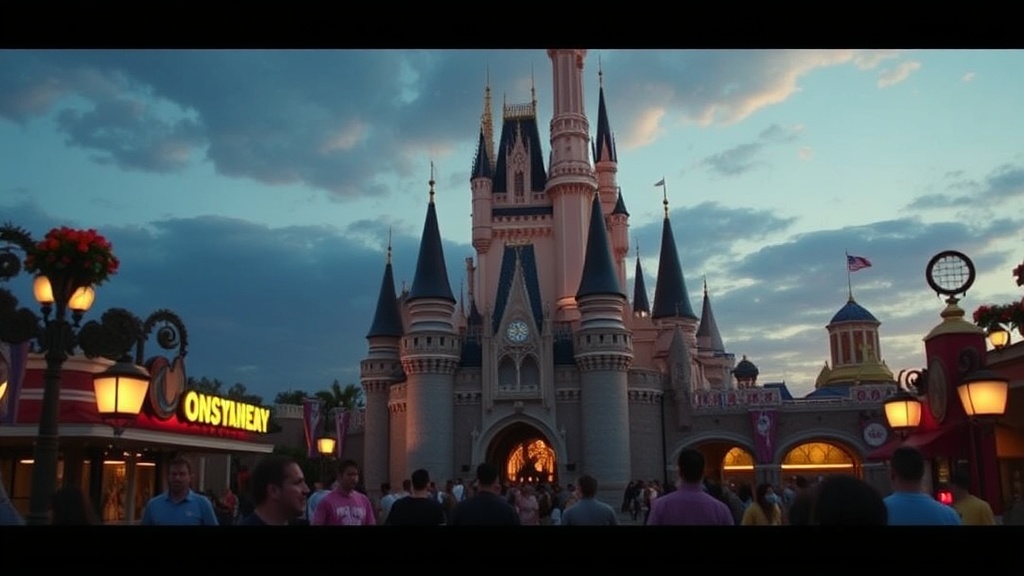
Finding Real 1970s Walt Disney World Souvenirs Without Getting Tricked

Most folks assume that if a Disney toy has a "Made in Taiwan" or "Made in Japan" sticker, it's a cheap modern reproduction or a bootleg. That's a huge mistake that leaves some of the best finds sitting on the shelves of thrift stores for collectors like me to scoop up. This guide covers how to identify genuine park merchandise from the 1960s and 1970s by looking at manufacturing clues, copyright marks, and material quality—information that matters because the market is currently flooded with "vintage-style" items that have zero historical value.
How can you tell if a vintage Disney souvenir is authentic?
The first thing you've got to do is look past the character's face and find the legal text. Between 1939 and roughly 1986, the official copyright mark for almost everything produced for the parks or licensed to third parties was "© Walt Disney Productions." If you see "© Disney" on a piece that claims to be from the opening year of Walt Disney World (1971), you're looking at a modern souvenir or a very late-run reissue. The company didn't switch to the simpler "© Disney" or "The Walt Disney Company" until after the mid-80s corporate restructuring. It's a small detail, but it's the quickest way to spot a fake.
You should also pay attention to the font of that copyright. On older ceramics—think the figurines made by Enesco or Schmid—the mark is often incised (cut into the clay) or stamped under the glaze. If the text looks like it was printed on top of the glaze with a modern inkjet printer (which has a slightly raised, grainy texture), it's a red flag. Authentic mid-century pieces have a level of integration between the mark and the object that modern mass-produced knockoffs rarely replicate. Plus, the weight of the item tells a story. Older plastics, like those used in the iconic "Arribas Brothers" figures or early character banks, have a density and "clink" that modern, hollow resins just don't have.
The "Made In" Label Confusion
Let's clear up the manufacturing origin once and for all. During the 1960s and 70s, Disney worked with a lot of Japanese and Taiwanese manufacturers to produce high-quality ceramics and tin toys. A "Made in Japan" stamp is actually a great sign of age. It doesn't mean the item is a knockoff; it means it comes from a period when Japan was the world leader in producing detailed, hand-painted collectibles for the American market. These pieces often have small, hand-painted variations in the eyes or the trim of the clothes—tiny imperfections that show a human touch rather than a machine-printed face.
What should you look for when inspecting 1970s theme park merchandise?
When you're digging through a box at an estate sale, your hands are your best tools. Early Walt Disney World merchandise—specifically items from 1971 through 1975—often used specific materials that have a distinct feel. For instance, the rubber "squeak toys" from the era were made of a thicker, heavier vinyl than the thin, flimsy stuff you find at big-box retailers today. If you find a Mickey or Donald squeaker, give it a gentle squeeze. It should feel firm and take a second to pop back into shape. If it feels like a cheap dog toy, it probably is.
Check the colors, too. The color palette of the 1970s was a bit more muted than the neon-bright shades used in modern Disney branding. You'll see lots of burnt oranges, avocado greens, and mustard yellows—even in the character art. If a "vintage" shirt has a screen print that looks incredibly bright and hasn't faded or cracked at all over fifty years, be suspicious. Genuine 70s screen prints were often "thick" and sat on top of the fabric (a style called plastisol), which almost always develops a fine network of cracks (patina) over time.
"A true collector knows that the smell of old PVC and the weight of a tin tray are better indicators of age than any price tag."
Also, look for the "Price Code" on paper goods like postcards or guidebooks. Throughout the 70s, Disney used a letter-coding system for their attractions (the famous A through E tickets). This same mentality often bled into the merchandise. Some early souvenirs actually have the price printed directly on the item or the packaging in a very specific, blocky blue or black font. If you see a barcode, put it back. Barcodes didn't become standard on Disney merchandise until the 1980s.
| Copyright Marking | Approximate Era | Significance |
|---|---|---|
| © Walt Disney Mickey Mouse Ltd | 1930s | Pre-war, extremely rare UK/US imports. |
| © Walt Disney Productions | 1939 - 1986 | The "Golden Age" of park souvenirs. |
| © The Walt Disney Company | 1986 - Present | The modern corporate era. |
| © Disney | Late 80s - Present | Most common modern mark. |
How do you research the current market value of Disneyana?
Don't trust the "asking price" on sites like eBay. Anyone can list a plastic spoon for five hundred dollars; it doesn't mean it's worth that. To get a real sense of what people are paying, you need to filter your searches to "Sold Items." This gives you the cold, hard truth about the market. I also recommend checking out