Finding Rare Disney Designer Dolls and Limited Edition Figures

The high stakes of the designer toy market
Did you know that certain limited edition Disney designer dolls can appreciate in value by over 200% within just three years of release? It isn't just about nostalgia; it's a specialized market driven by scarcity and high-end craftsmanship. This guide covers the specific nuances of identifying high-value designer dolls, understanding the release cycles of premium collectibles, and knowing where to look for the most sought-after pieces.
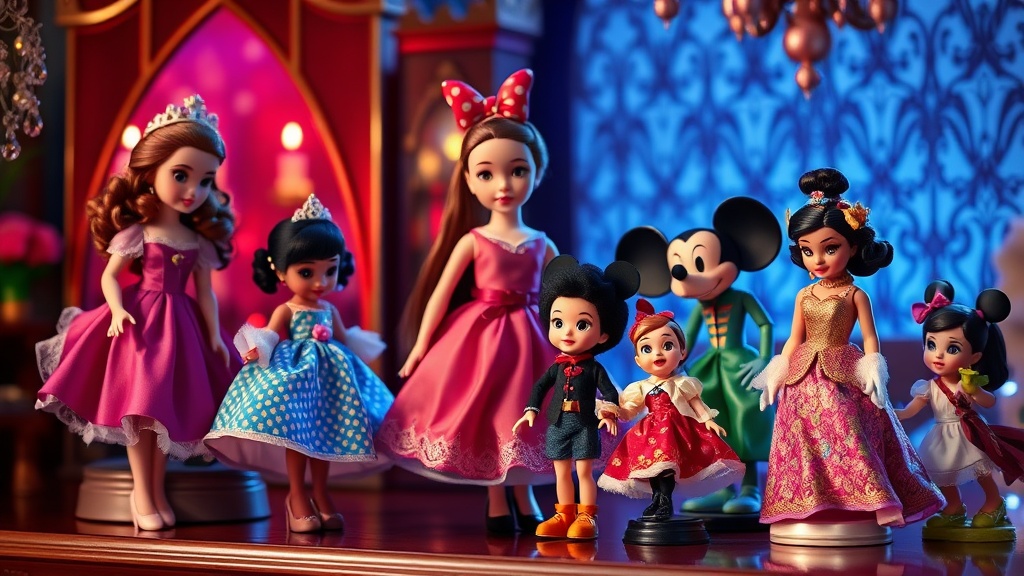
Collecting these isn't like picking up a standard toy at a big-box retailer. You're looking for specific collaborations between Disney and high-end fashion houses or specialized toy designers. These pieces often feature real fabric, intricate stitching, and unique facial sculpts that set them apart from the mass-produced versions. If you aren't paying attention to the small details, you might miss the very thing that makes a piece valuable.
What makes a Disney designer doll valuable?
Value in this niche is driven by three main factors: production volume, material quality, and the reputation of the designer. A standard vinyl figure might have thousands of units produced, but a designer doll—think of the high-end dolls from the Disney Store's specialty lines—might only have a few hundred. The materials used also play a huge part. When a doll uses silk, lace, or even custom-molded accessories, the perceived value climbs.
Another factor is the "brand name" of the artist or studio behind the piece. Just as collectors seek out specific artists in the fine art world, Disney collectors look for names associated with certain high-end releases. You'll notice that certain years see a spike in demand for specific themes, such as the 100th Anniversary collections, because the scarcity is built into the release schedule from the start.
Where can you track upcoming releases?
You can't just wait for a notification; you have to be proactive. Most serious collectors use a mix of official channels and enthusiast-driven sites to stay ahead. The Disney Parks Blog is a good place for general news, but for the hardcore collector, you need to look at specialized hobbyist forums and official retailer release calendars.
Checking the official Disney Store website frequently is a baseline requirement. However, many of the most elusive pieces never even hit the main website's front page. They often appear in specialized "collector" sections or are announced via specific newsletter-only links. If you're waiting until a product is "in stock" to check, you've likely already lost the battle to the bots and the early birds.
How do you spot a fake or a reproduction?
As the market grows, so does the prevalence of high-quality counterfeits. This is especially true for the more expensive designer dolls. One of the easiest ways to spot a fake is by examining the packaging and the weight of the item. Authentic high-end Disney collectibles are often quite heavy due to the quality of the materials used in the base or the doll's internal structure. If a "limited edition" item feels light or hollow, proceed with extreme caution.
Another red flag is the quality of the printing on the box. Genuine pieces feature crisp, high-resolution graphics and perfect alignment. If the text is blurry or the colors look slightly "off" compared to official photos, it's a sign of a bootleg. Always check the copyright information at the bottom of the box. A missing or poorly printed copyright notice is a massive warning sign.
| Feature | Authentic Piece | Potential Counterfeit |
|---|---|---|
| Packaging Graphics | Crisp, high-resolution, vibrant | Blurry, dull, or misaligned |
| Material Feel | Premium fabrics, heavy weight | Synthetic, lightweight, thin |
| Copyright Info | Clearly printed, correct year | Missing, vague, or misspelled |
| Box Texture | Smooth, high-quality finish | Rough, matte, or cheap feel |
The secondary market is where the real hunt happens. Once a collection has sold out at the primary retailers, you'll find these items on auction sites and specialized collector groups. At this stage, you aren't just buying a doll; you're buying a piece of history. The ability to identify a genuine, well-preserved piece from a poorly kept one can be the difference between a great investment and a total loss.
Keep an eye on the condition of the accessories. In the world of high-end Disney dolls, the accessories are often the first things to go missing or get damaged. A "complete" doll with a missing hat or a chipped wand is worth significantly less to a serious collector. Always demand photos of the actual item you are purchasing, rather than relying on stock photos. This is especially true when buying from third-party sellers on auction sites.